

Blog
Foundations First Northwest
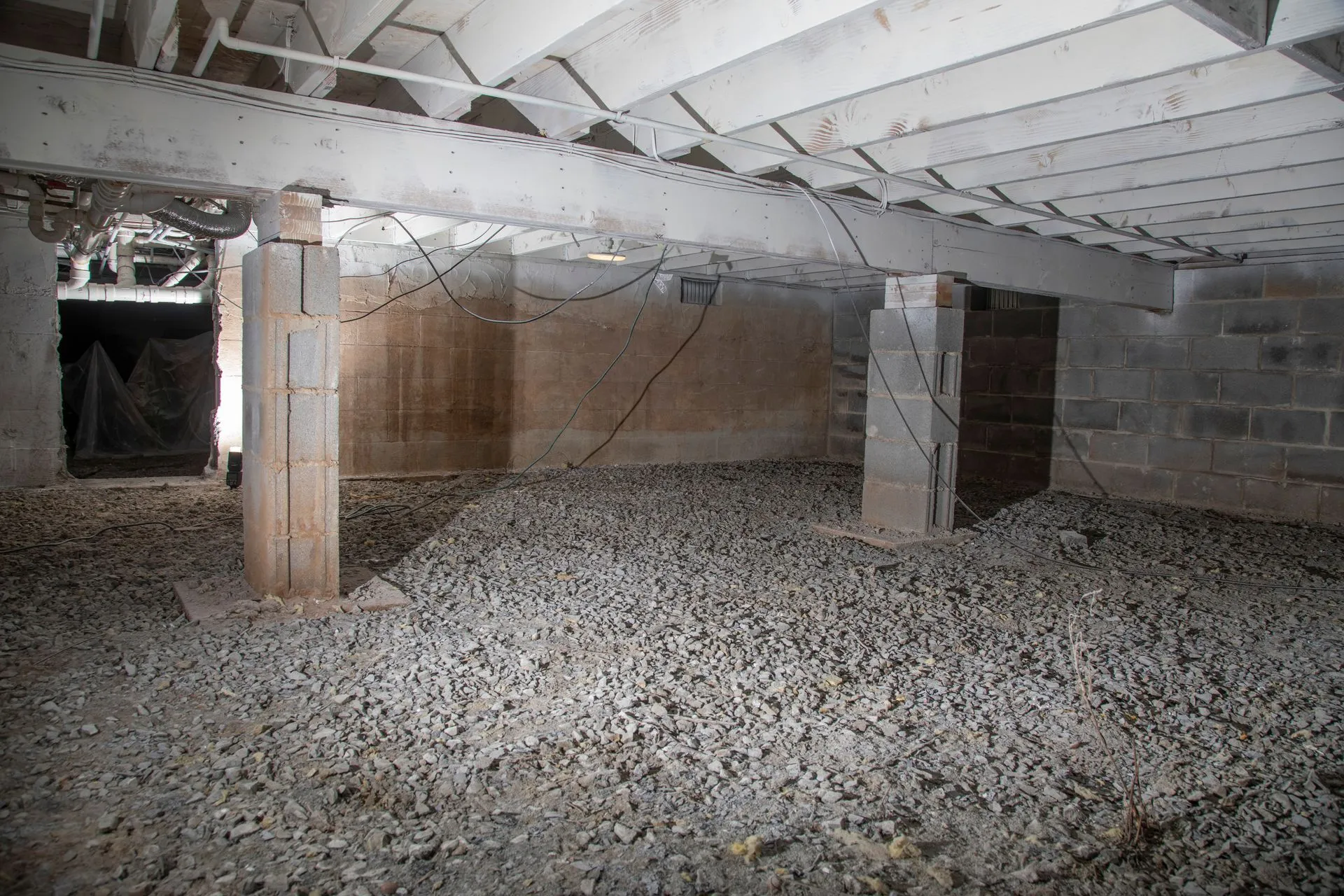
10 Benefits of Crawl Space Repairs
Are you considering having crawl space repairs done on your home? Here are ten of the top benefits of having this service performed.

Don’t Ignore Foundation Problems: Here’s Why
Is your foundation damaged? Here are some reasons why you should call foundation companies to make the needed repairs as soon as possible.
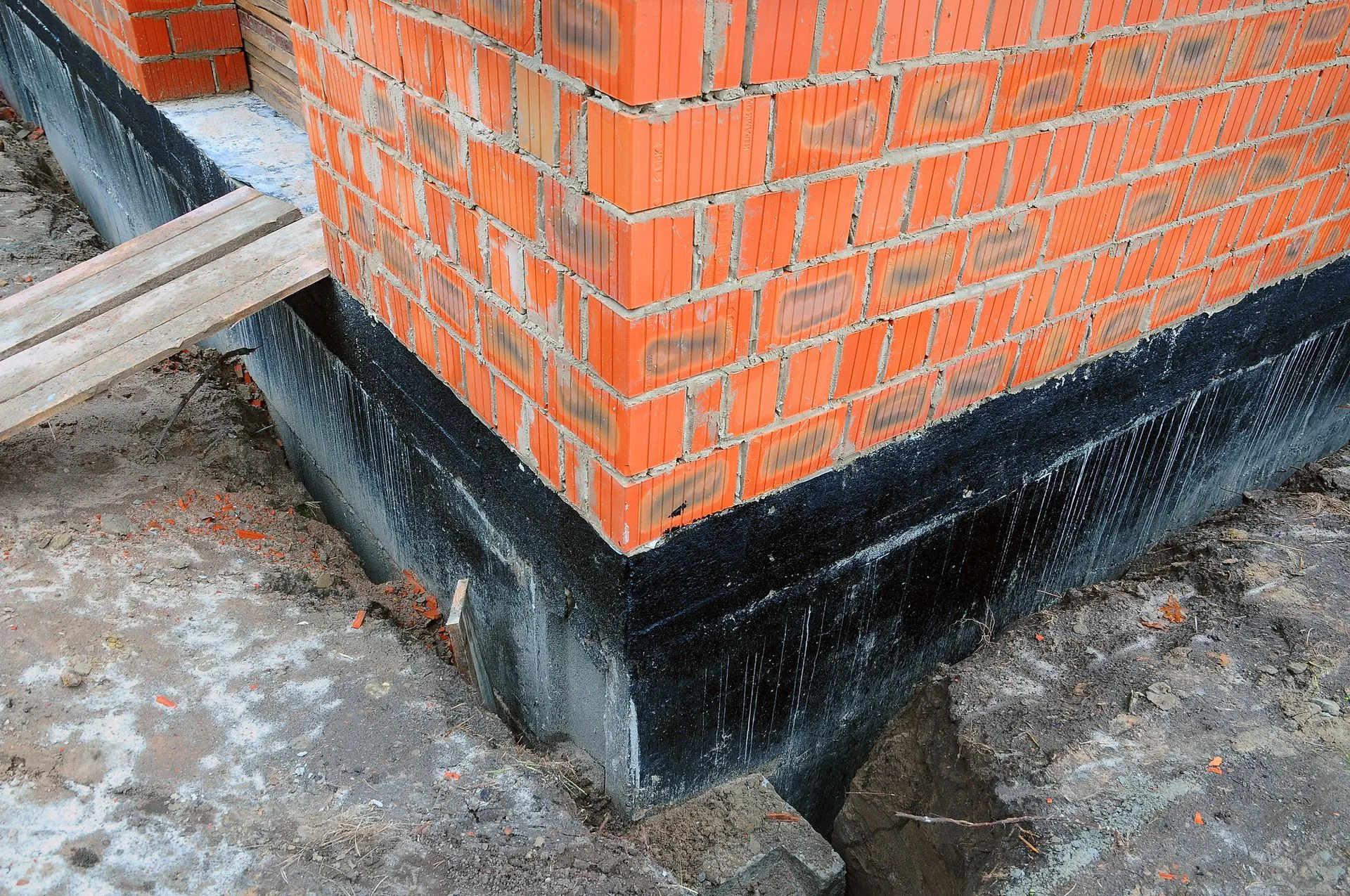
How to Find the Right Foundation Repair Company
Are you looking for a foundation company? Here are some ways to find the right one. Let’s take a look for more information!
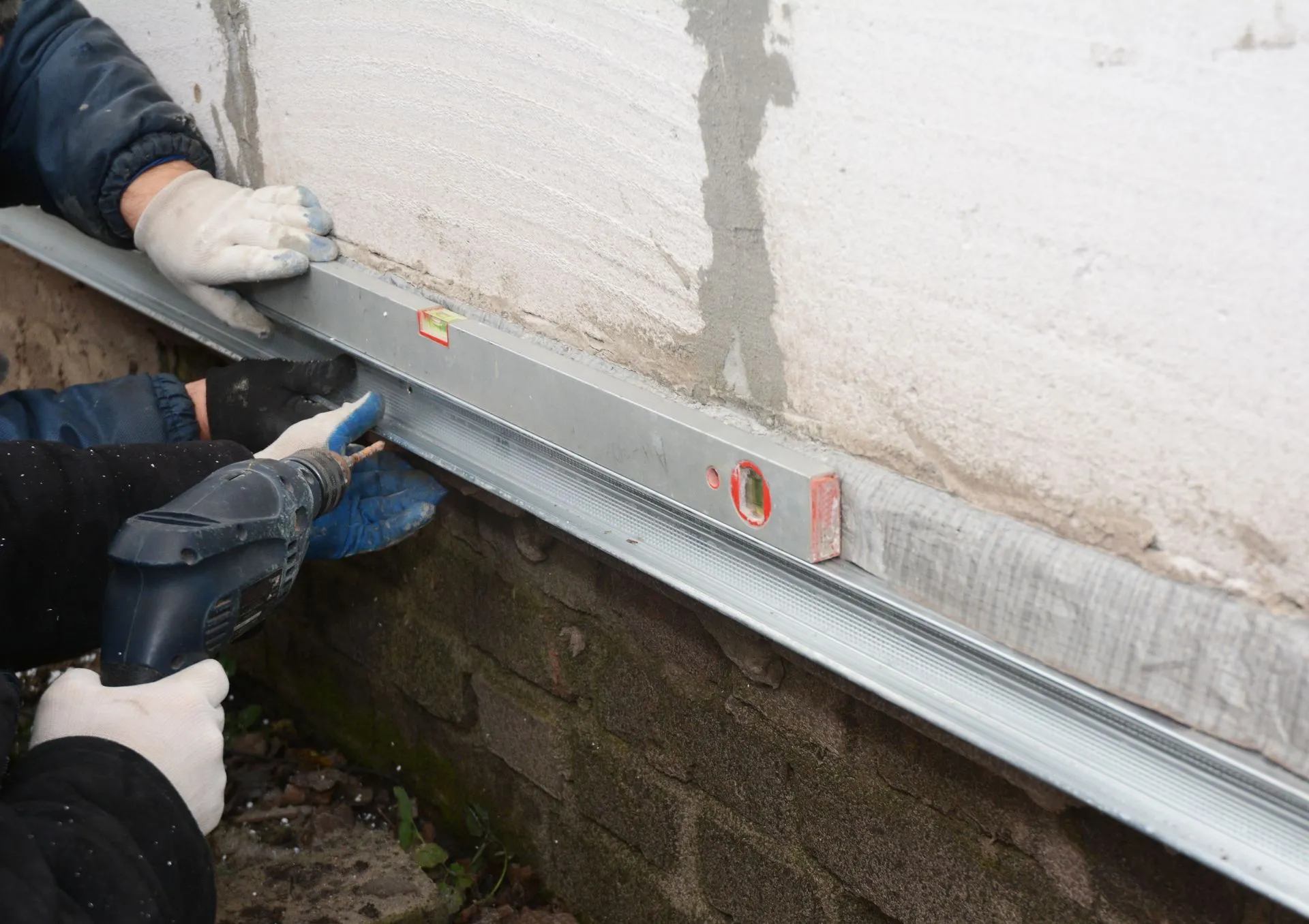
What to Know About the Services Foundation Repair Contractors Offer
Are you wondering what types of services foundation repair contractors offer? Continue reading to learn more about how they can assist with your home.
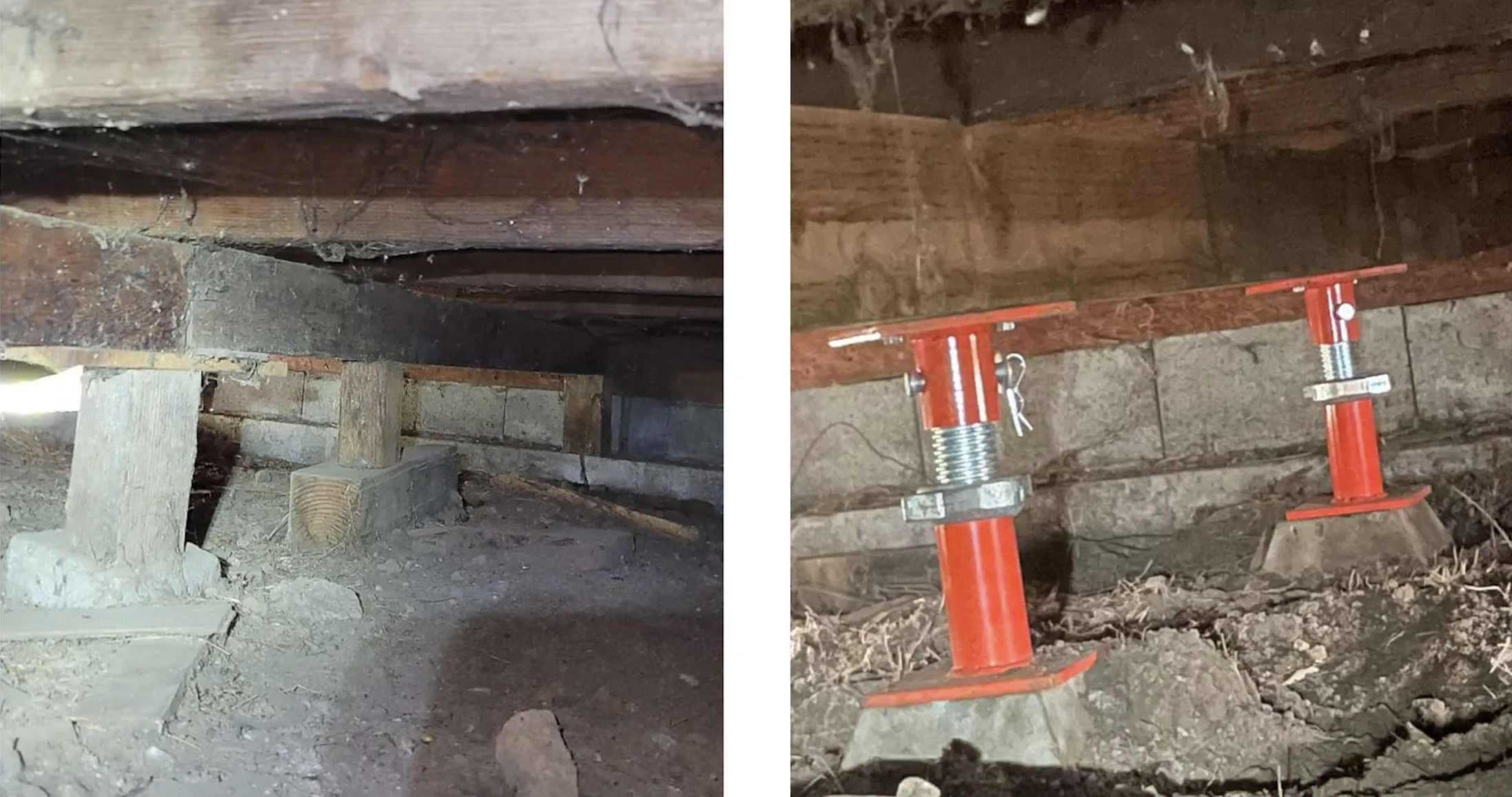
Could Squeaky Floors Be A Sign Of Foundation Issues?
Squeaky Floors: Flooring Or Foundation Issue? What causes creaky floors in your Portland area home? We’ve all heard the sound of a creaking, squeaky floor even if not in our own home. Perhaps, it was at an Christmas gathering at Grandma’s house or in the Hollywood District’s latest renovated restaurant. Why do floors squeak when you walk on them? Are squeaky floors a reason to worry? What could cause floors to give, bounce, or creak? Most of the time the answer lies within the crawl space of your home. Just like Spring cleaning and necessary house maintenance your crawl space needs attention, too. Here we will outline a few of the causes of creaking floors, how to correct floors that squeak, and what to consider if you are also experiencing uneven, bouncy floors. There are many reasons hardwood flooring squeaks, and sometimes a hardwood flooring professional or carpenter can provide a quick fix for your squeaky problem if: · Incorrect nails were used. · Nails were inadequately fitted. · Swelling and shrinking of wood flooring occurs due to weather changes. · Space exists between the flooring and the subfloor. · A floorboard is loose or detached. The movement in loose floorboards, due to shrinking and swelling, incorrect nails, and spacing beneath the flooring, can cause boards to rub together or rub a neighboring floor joist or nail. This is one of the many examples of why you may hear the noise referred to as creaking or squeaking. It is common that the first attempt and sometimes multiple attempts at flooring repairs do not correct the creaking in your floors. If the initial quick fix does not fix the problem, the problem could be bigger, like the settlement of the soil in the crawl space. You may also notice other telltale signs in the interior of your home, aside from squeaky floors, that point to possible settlement and other issues going on in your crawl space: · Uneven floors · Drywall cracks or separation · A new space between the baseboard and flooring · Doors that stick, or doors that no longer open and close correctly · Sinking, sloping floors · A new hump in the floor · Bouncy floors, soft floors, or floors that give The good news is there’s a solution for the creaking, squeaking floor. And, if that solution involves the need for floor support, Foundations First Northwest LLC is the one to call. Foundations First Northwest LLC installs adjustable steel support posts that include a 20-year warranty. If you are wondering how to fix squeaky floors in your home, you can count on Foundations First Northwest LLC! Your squeaking floors are more than an annoyance and if you see other potential signs of settlement like uneven floors or drywall cracking, call Foundations First Northwest LLC today for more information on warrantied adjustable floor supports and on restoring the integrity to your floors and your home. Give Foundations First Northwest LLC a call today to set up a free inspection. 503-719-7548
The History Of Helical Piles
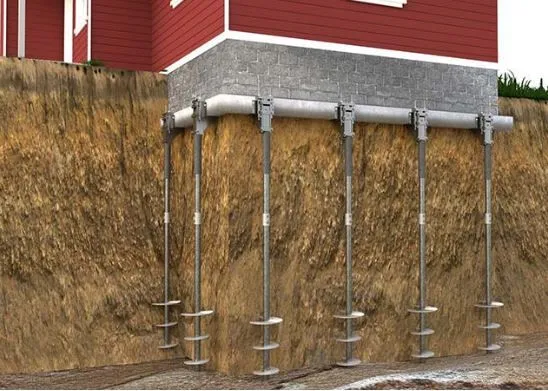
The first helical screw pile was invented in the 1830s by a blind Irish marine construction engineer named Alexander Mitchell. His design proved to be a major improvement over traditional straight pile designs so Mitchell and his son promptly patented the cast iron screw pile. In 1840 the first screw piles were installed to support the Maplin Sands lighthouse at the mouth of the Thames River. This innovative design caught on and made its way across the pond quickly and before long most of the lighthouses in the mid-Atlantic region were being built on helical pile foundations. There were more lighthouses built on helical pile foundations in the Chesapeake Bay than anywhere else in the world. A total of Forty-two helical screw-pile lighthouses were built on the Chesapeake Bay between 1850 and 1900. The helical screw pile technology didn’t stay on the east coast. Over the next few years, helical screw pile lighthouses could also be found in the Great Lakes Region and the Gulf of Mexico. The foundation of a typical screw-pile lighthouse consisted of one central pile installed in the center and then flanked by another six or eight piles around the perimeter. This design increased the anchoring properties and the bearing power of the helical screw piles. These early helical screw piles were often installed by using large torque bars and the power of men, horses, or oxen. Alexander Mitchell’s helical screw pile design is just as effective today as it was in the late 18th century and continues to be installed around the world. What are helical piles used for? Helical piles are shaft driven tubes that are used to stabilize structures by anchoring the load to the surrounding ground. Helical piles are screwed deeply into the earth, section by section if necessary. They are screwed into the ground until it’s proven that the area can properly hold the required bearing capacity of the structure. Helical piles can be used to create new foundations, to underpin weakening foundations, and to better stabilize existing foundations. Other popular names for helical piles: · Screw Anchors · Screw Piles · Helical Piers · Helical Anchors · Screw Anchors · Screw Cylinder Anchors · Helical Foundations When to use helical piles? Helical piles are a perfect foundation anchor solution when soil conditions aren’t suitable for the weight of a structure. When soil is soft or oversaturated, it will settle and pack down over time. This can cause the entire structure to move out of alignment, which can be dangerous. Whether you refer to them as screw piles, helical piers or screw anchors; helical piles are a relatively quick, economical foundational solution that provide stability and strength to foundations. They especially come in handy when there is structural damage to a foundation. Give us a call today to set up a free inspection. 503-719-7548.